IMPACT STORY
Building Kosovo’s Digital Future : A Skills Validation Framework for ICT
THE CONTEXT
Kosovo’s ICT sector is expanding at remarkable speed, yet beneath this momentum lies a critical challenge: a significant shortage of industry-aligned digital skills, compounded by the absence of a formal validation system.
The consequences are clear. Skilled individuals struggle to have their competencies formally recognised, employers face uncertainty in recruitment, and workforce mobility remains limited.
This is where Digital Skills Factory stepped in. Commissioned in 2024 by the Kosovo ICT Association (STIKK) and IREX, with support from USAID, DSF conducted extensive research, combining desk analysis, stakeholder interviews, and a face-to-face workshop to propose a credible and sustainable framework for validating digital skills in Kosovo.
Drawing on international best practices and local expertise, DSF developed a roadmap designed to strengthen employer confidence, empower talent, and accelerate Kosovo’s transition into a thriving digital economy of the future.
DSF’S PROCESS
Study of Kosovo’s digital landscape
DSF delved into the heart of Kosovo’s digital landscape: universities, infrastructure, existing initiatives, etc. The result: we confirmed the gaps between training and the real needs of industry. This accurate diagnosis is the basis for building a solid and visionary system.
Workshops with local stakeholders
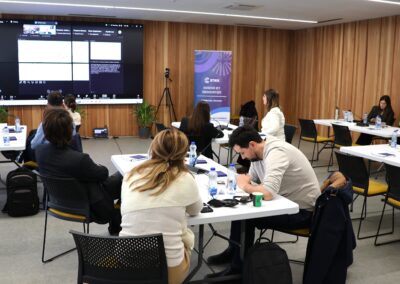
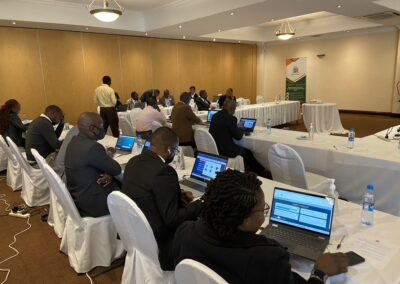
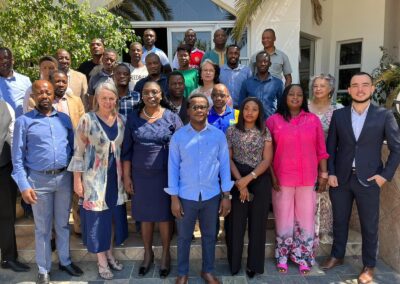
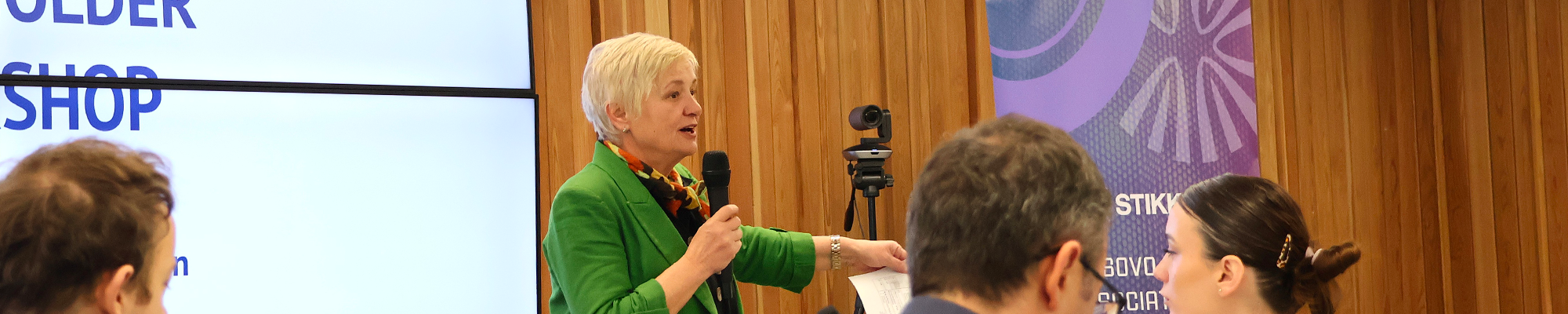
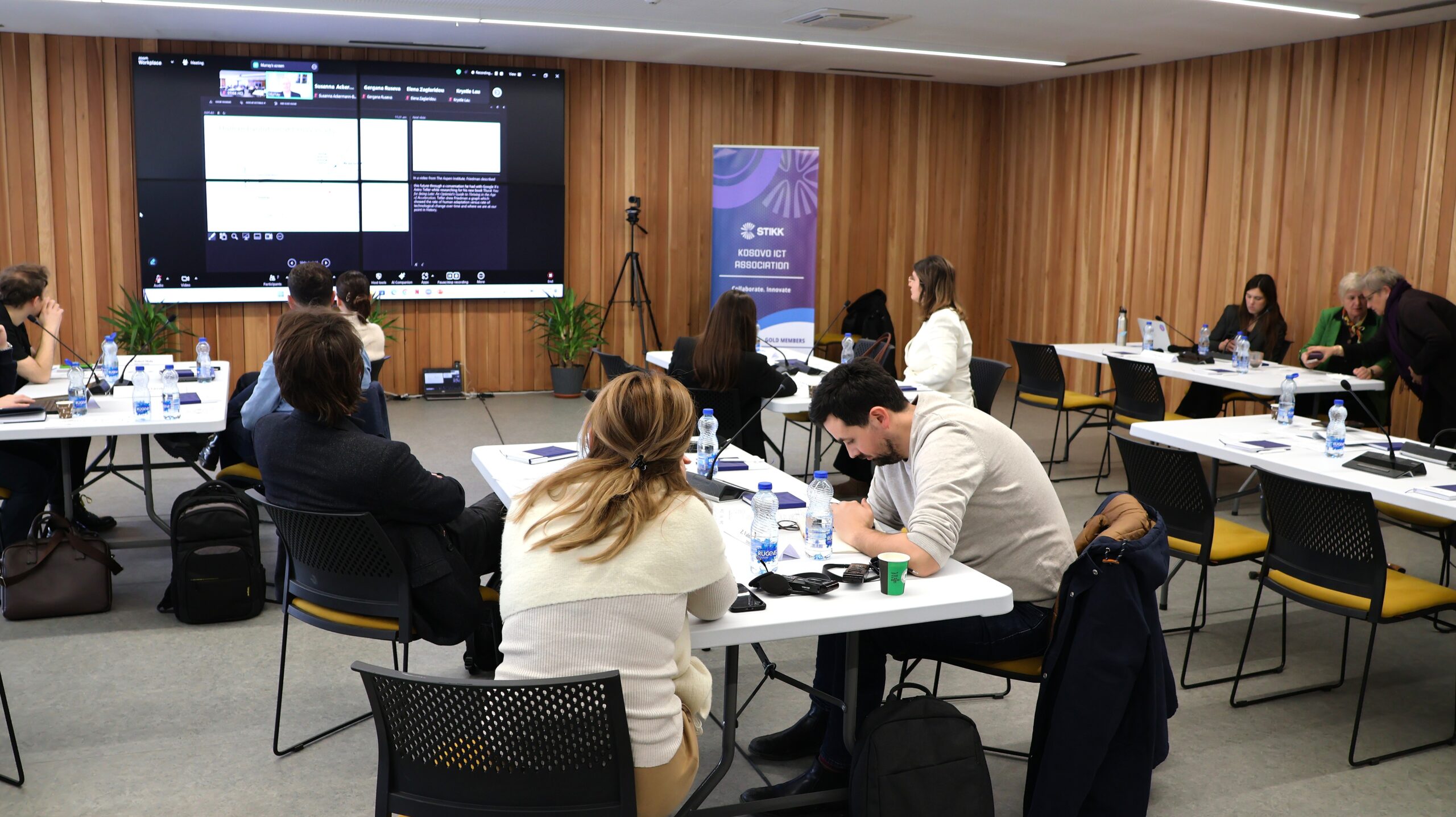
DSF does not work in isolation. To ensure a grounded and inclusive approach, we brought together representatives from universities, businesses, regulatory bodies, and training providers in a collaborative workshop.
The purpose of this workshop was to highlight the key challenges facing Kosovo’s ICT skills ecosystem and to explore potential scenarios and solutions. The insights and ideas generated during this session form the foundation of a validation framework co-created with the country, for the country.
Framework alignment study
Because Kosovo deserves a place at the heart of the global digital economy, DSF has evaluated European and international frameworks, selecting those that are best suited to the country. Our goal: to connect Kosovo to global standards through platforms such as SkillMap and Kosova Job.
Closing the Industry-University Gap
The gap between academic programmes and workforce needs remains a significant obstacle. As a consultant, DSF highlighted these challenges and proposed practical solutions to better align education with the skills employers demand.
Smes : The Ideal Trailblazers
Small and medium-sized enterprises are often overlooked, but in reality, they are perfect pioneers for piloting agile,locally adapted validation systems. With their flexibility and urgent demand for skilled workers, SMEs stand ready to become the frontline innovators of Kosovo’s digital transformation.
OUTCOMES
A soaring demand for practical skills
Across industries and borders, employers are no longer satisfied with theory alone, they are hunting for talent equipped with hands-on digital expertise. Kosovo’s ICT sector reflects this global shift, underscoring the urgent call for a validation system that proves real-world performance.
Private Sector : The driving force
Who knows better than employers what skills matter most? This study confirms that the private sector must lead the charge in defining, validating, and refreshing skill standards. With DSF as catalyst, businesses become the engine that guarantees relevance, credibility, and long-term impact.
Unlocking platform potential
Why reinvent the wheel? Existing platforms can be adapted and customised for Kosovo’s needs, cutting development costs while fast-tracking a solution tailored for the nation. DSF identifies and champions this smart, efficient pathway.
Testimonials
“DSF’s study confirmed international frameworks can address Kosovo’s ICT needs. STIKK plans to lead skills validation efforts, boosting employability and establishing itself as a key policy influencer.”
Vjollca Çavolli
STIKK Executive director